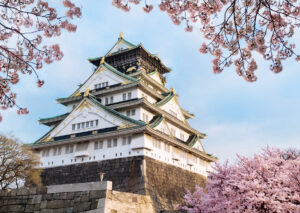
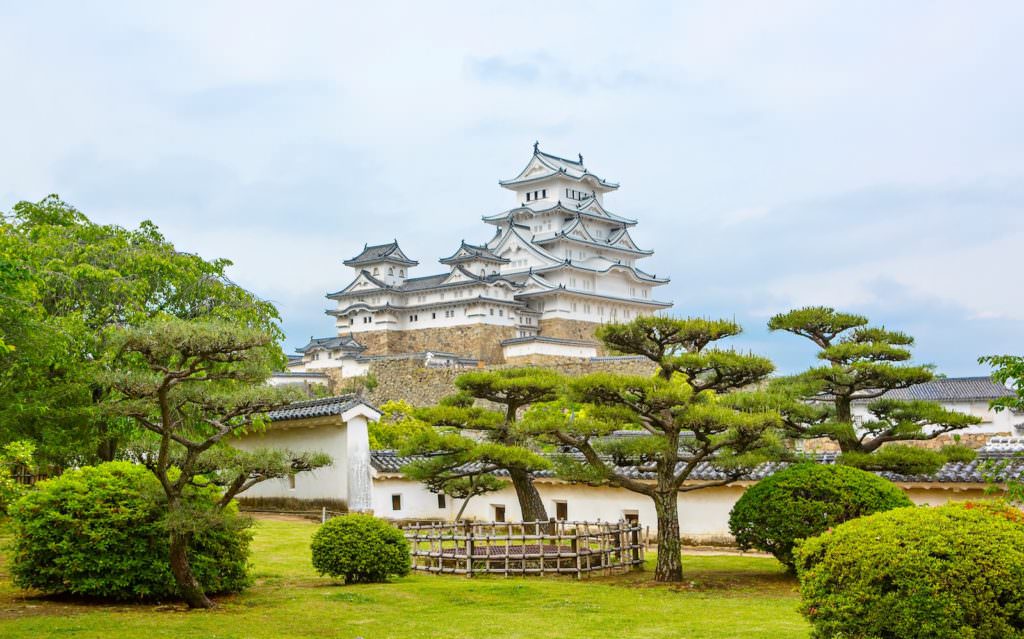
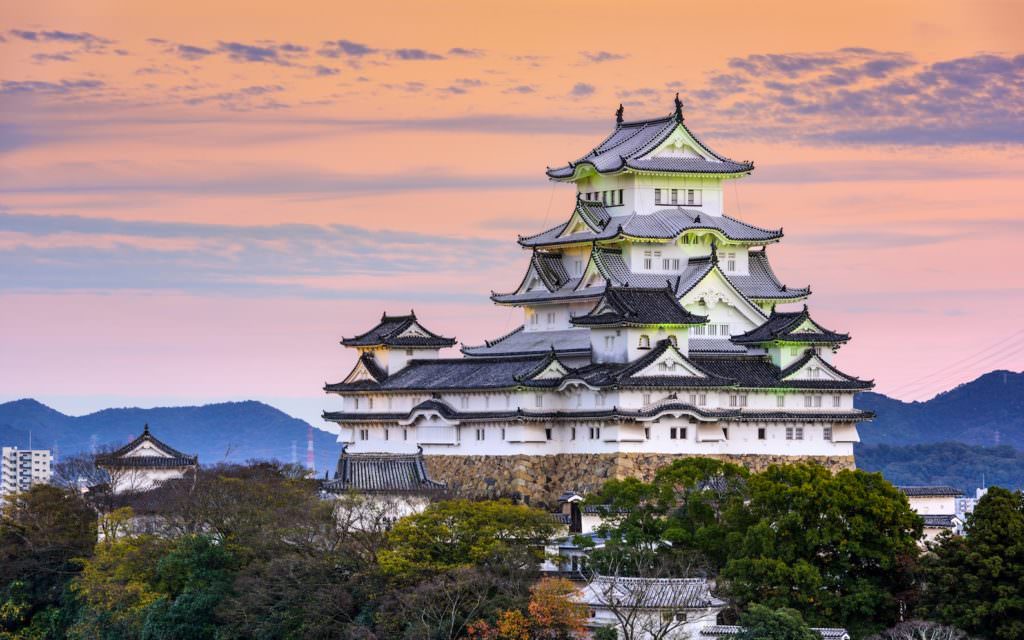
Himeji Castle in Japan is the main attraction of the city of the same name, located between Hiroshima and Kyoto. The attraction is included in the UNESCO World Heritage List.
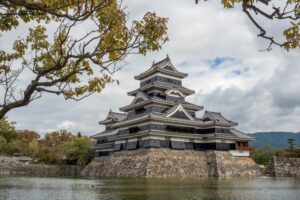
The second name of the building is the Castle of the White Heron, given to it because of the snow-white color of the walls. By analogy with this castle, Matsumoto castle was also named Black Crow Castle.
Read further our first timer’s guide to Himeji Castle in Japan, where we’ve tried to pay attention to the most important details visitors should know in advance, like working hours, entrance fee, day tours, how to get and more.
Himeji Castle General Info
- Address : 68 Honmachi, Himeji, Hyogo 670-0012, Japan
- Opening hours : daily from 09:00 to 16:00. Closed from December 29 to January 3.
- Phone : +81792851146.
- Book a Himeji Castle tour with a certified guide here .
- Official website : www.city.himeji.lg.jp
- Matsumoto Castle entrance fee: adult – 1000 yen, children – 400 yen (the cost depends on the season and program).
- Suitable for visiting with children: yes.
How to get to Himeji Castle
Himeji can be reached by train from the nearest major Japanese cities. There are direct flights from:
- Tokyo – 4 hours drive;
- Kyoto – 1.5 hours;
- Osaka – 1 hour;
- Kobe – 30 minutes;
- Hiroshima – 1 hour.
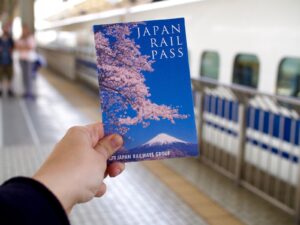
If you have a JR-Pass, these trains will be free of charge. In other cases, it is cheaper to travel by regular train. High-speed shinkansen will be more expensive, but the trip will take less time.
Get off at Himeji Station. From the station to the castle – 15 minutes on foot.
Best Time to Visit Himeji Castle
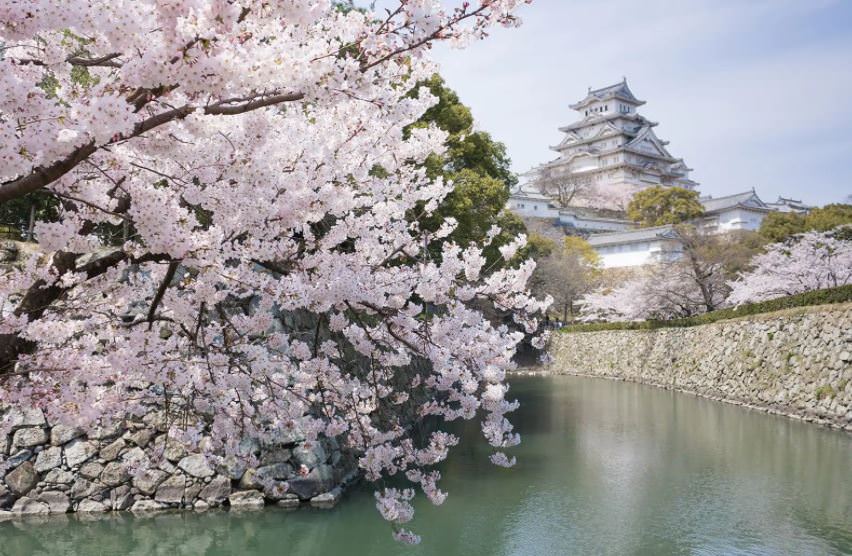
The best time to visit Himeji is in spring or summer. During this period, the garden around the castle blooms, and the air is filled with the fragrance of tropical flowers. But be prepared for huge queues at the entrance: in summer and spring, the castle is super busy with tourists.
In winter, the influx of travelers subsides.
What to see in Himeji Castle
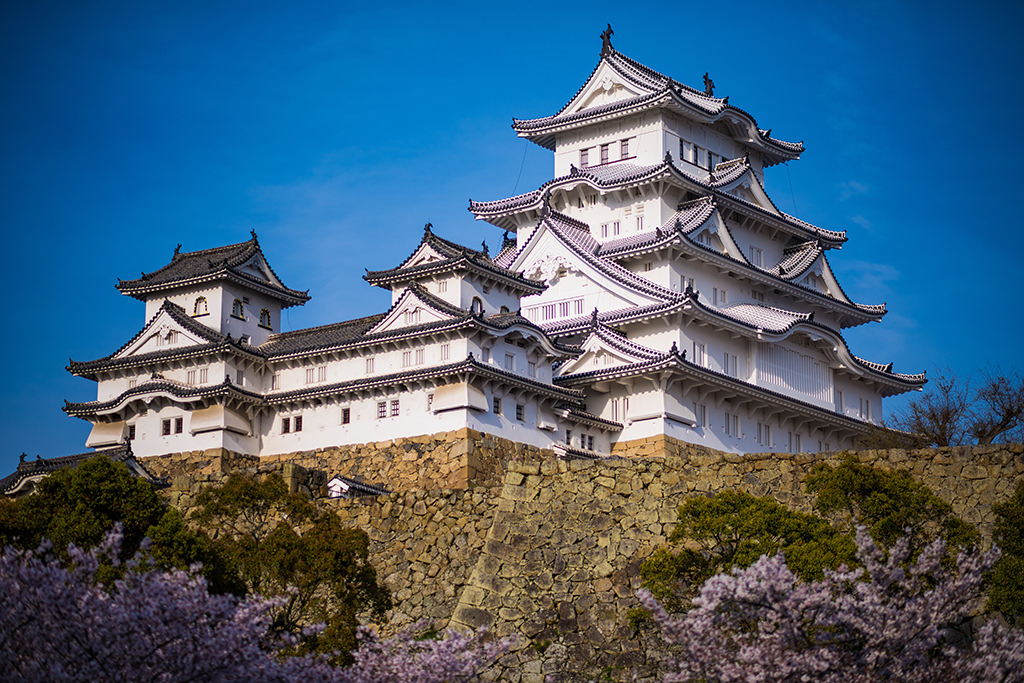
This is one of the oldest Japanese castles. The founding date of Himeji Castle is the thirties of the 14th century. Construction continued until the end of the 1340s. In total, 83 buildings were built and only 5 of them were from stone, and the rest were made of wood.
Himeji Castle or White Heron Castle
The main building rises on a small hill. This allowed the inhabitants of the castle to inspect the surroundings and respond to attacks in time.
Today, there is a museum inside the castle. You can find there traditional samurai clothing, weapons and household items typical for Japan of that time.
The castle is surrounded by a beautiful park. If you are not ready to spend 1,000 yen for entrance tickets with visit to inner garden, then just walk around the park area and look at the beautiful views of the fortress. You can do this for free.
Koko-en Garden
In the courtyard of the castle there is a beautiful garden in traditional Japanese style. Here you will see winding stone paths, decorative ponds, unusual statues and gazebos for relaxation. The garden was founded in the 90s of the last century, but it looks like it is already several centuries old: the founders of the garden managed to reproduce the spirit of ancient Japan.
The garden is divided into several thematic parts:
- Garden of the lord’s residence with a waterfall.
- Tea garden with a house for tea ceremonies.
- Pine garden.
- Bamboo forest.
- Flower beds.
You can buy a separate ticket here for 300 yen. If you want to visit the garden and the castle at the same time, then the complex ticket will cost 1040 yen for an adult and 600 yen for a child under 12 years old.
Other Things To Do In Himeji City
After visiting Himeji Castle, you can take a walk in the central city park and feed the ducks or just relax in the shade of the trees.
Another interesting place is Engyo-ji (Engyo-jit or West Mount Hiei), which is located on Sesya Mount. This is a complex of temples built at the end of the tenth century. You can go up here by funicular. It was here that the famous film “The Last Samurai” was filmed.
For tourists with kids, the city has a zoo, an aquarium, local history and art museums.
Where to stay in Himeji City
If you are coming to the city for more than one day, then stay at one of the many hotels. The best options for spending the night according to tourists are:
- Himeji 588 Guest House. Located 2 kilometers from the city center. The cost of the room is from 50 USD.
- Daiwa Roynet Hotel Himeji – It is located one and a half kilometers from the castle. Price for a double room – from 60 USD.
- Grandouce Himeji . Double rooms in this hotel start from 30 USD. It is located almost in the very center.
- APA Hotel Himeji-Eki-Kita . One of the few hotels in town where you can smoke. The room costs from 50 USD.
There are also small hostels in the city where you can rent a bed for 10-20 USD.